
With increasing international travel, certain viral diseases are spreading beyond their usual regions and can be carried across borders by travellers. Many of these infections originate from animals or insects and may initially present with common symptoms such as fever or body aches. Although the overall risk to the general public remains low, awareness and simple preventive actions are essential to protect individuals and prevent the introduction of diseases into Sri Lanka.
Introduction
Avian Influenza A (H5N1) – Bird Flu

Avian Influenza A (H5N1) is a virus that mainly affects birds but can occasionally infect humans through close contact with infected poultry or contaminated environments. It is currently widespread among wild birds globally and has also infected mammals in some countries, highlighting its evolving nature. Human infections remain rare, and sustained human-to-human transmission has not been identified so far, but experts continue to monitor it due to its pandemic potential.
Common symptoms include fever, cough, sore throat, breathing difficulty, and sometimes eye irritation. Infection usually occurs after direct exposure to sick birds, live animal markets, or contaminated surfaces.
Prevention: Travellers should avoid contact with live or dead birds, refrain from visiting poultry farms or wet markets unnecessarily, and ensure that poultry products are thoroughly cooked. Regular hand washing and avoiding touching the face after animal contact are key protective measures.
🔗 WHO Avian Influenza Updates:
https://www.who.int/westernpacific/wpro-emergencies/surveillance/avian-influenza
🔗 CDC Bird Flu Situation Summary:
https://www.cdc.gov/bird-flu/situation-summary/index.html
Oropouche Virus (“Sloth Fever”)
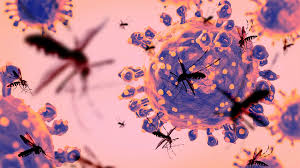
Oropouche virus is an emerging insect-borne disease mainly reported in parts of South and Central America. It is transmitted through bites of infected midges and mosquitoes and has recently been detected in international travellers returning from affected regions, showing its potential for wider spread.
Symptoms typically include sudden fever, headache, muscle and joint pain, chills, and fatigue. While most cases are mild, symptoms can last for several days and occasionally recur.
Prevention: As there is no vaccine or specific treatment, prevention focuses on avoiding insect bites. Travellers should use mosquito repellents, wear long-sleeved clothing, use bed nets when necessary, and stay in places with proper screening or air conditioning.
🔗 CDC Travel Health Information (general vector-borne diseases):
https://wwwnc.cdc.gov/travel
🔗 PAHO updates on Oropouche (regional information):
https://www.paho.org
Mpox (Clade II)
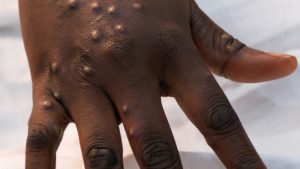
Mpox continues to be reported globally, with ongoing outbreaks in parts of Africa and occasional travel-related cases in other regions. Recent reports indicate hundreds of cases across multiple regions, with continued monitoring by global health authorities.
Mpox spreads through close contact with infected persons, skin lesions, bodily fluids, or contaminated materials such as clothing and bedding. Symptoms include fever, swollen lymph nodes, body aches, and a characteristic rash or skin lesions. Some recent cases have shown mild or limited symptoms, making early detection more challenging.
Prevention: Avoid close physical contact with individuals who have symptoms, maintain good personal hygiene, and avoid sharing personal items. Travellers should seek medical advice if they develop rash or fever after travel.
🔗 WHO Mpox Updates:
https://www.who.int/emergencies
🔗 UK/Global Surveillance Reports:
https://www.gov.uk/government/publications/outbreaks-under-monitoring-in-2026
Filoviruses (Ebola and Marburg)
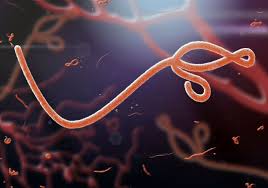
Filoviruses, including Ebola and Marburg, are severe diseases that cause outbreaks mainly in parts of Africa. These viruses are transmitted to humans from animals (such as bats) and then spread through direct contact with bodily fluids of infected persons. They are known for causing serious illness with high fatality rates.
A recent Marburg outbreak in Ethiopia (2025–2026) resulted in multiple cases and deaths before being successfully contained through strong public health measures, highlighting the importance of rapid response.
Symptoms include sudden fever, severe headache, vomiting, diarrhoea, and in severe cases, bleeding. Early medical attention is critical.
Prevention: Travellers should avoid contact with sick individuals, bodily fluids, and wild animals (especially bats and primates). Practising hand hygiene and following official travel advisories are essential preventive measures.
🔗 WHO Disease Outbreak News (Marburg):
https://www.who.int/emergencies/disease-outbreak-news
🔗 CDC Marburg Information:
https://www.cdc.gov/marburg
Conclusion
While these diseases are not commonly seen in Sri Lanka, global travel increases the risk of importation. Most infections can be prevented through simple actions such as avoiding contact with animals, preventing insect bites, maintaining good hygiene, and seeking early medical care if symptoms develop after travel. Staying informed and practising responsible travel behaviour are key steps in protecting yourself, your family, and the country.
